
The Future of Machine Shops: Innovations in Tufting Parts


Introduction
The manufacturing industry is constantly evolving, and one area that has seen significant innovation is the machine shop sector, particularly in tufting parts. As technology advances, machine shops are adopting new techniques and tools to enhance productivity and precision.

Technological Advancements
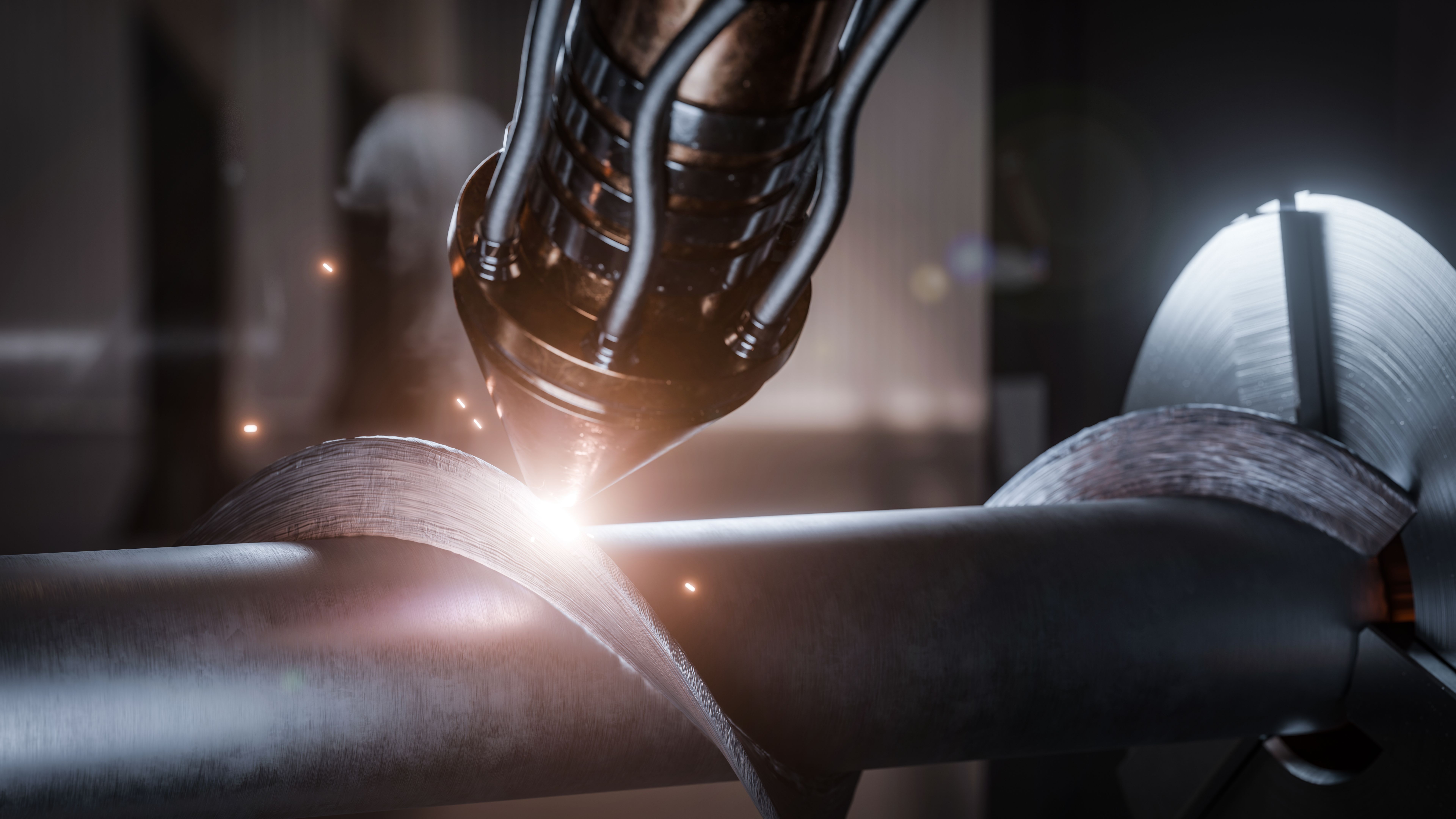
One of the most notable trends in machine shops is the integration of automation and robotics. These technologies allow for more efficient production processes and reduce the likelihood of human error. Automated systems can handle repetitive tasks with ease, freeing up skilled machinists for more complex projects.
Moreover, the incorporation of AI-driven analytics enables machine shops to optimize operations. By analyzing data in real-time, shops can identify inefficiencies and make informed decisions to improve workflow and reduce waste.
3D Printing and Additive Manufacturing
3D printing and additive manufacturing have revolutionized the production of tufting parts. These technologies allow for the creation of complex geometries that were previously impossible or too costly to produce. This flexibility leads to more innovative designs and faster prototyping.
Materials and Sustainability
The choice of materials in tufting parts has expanded significantly. Machine shops are now using advanced composites and sustainable materials, which offer superior strength and durability. These materials not only enhance the performance of tufting parts but also contribute to environmental sustainability.
Recycling and reusing materials have become a priority. Many shops are implementing circular economy practices, where waste is minimized, and materials are continuously reused, reducing the overall environmental impact.
Precision and Quality Control
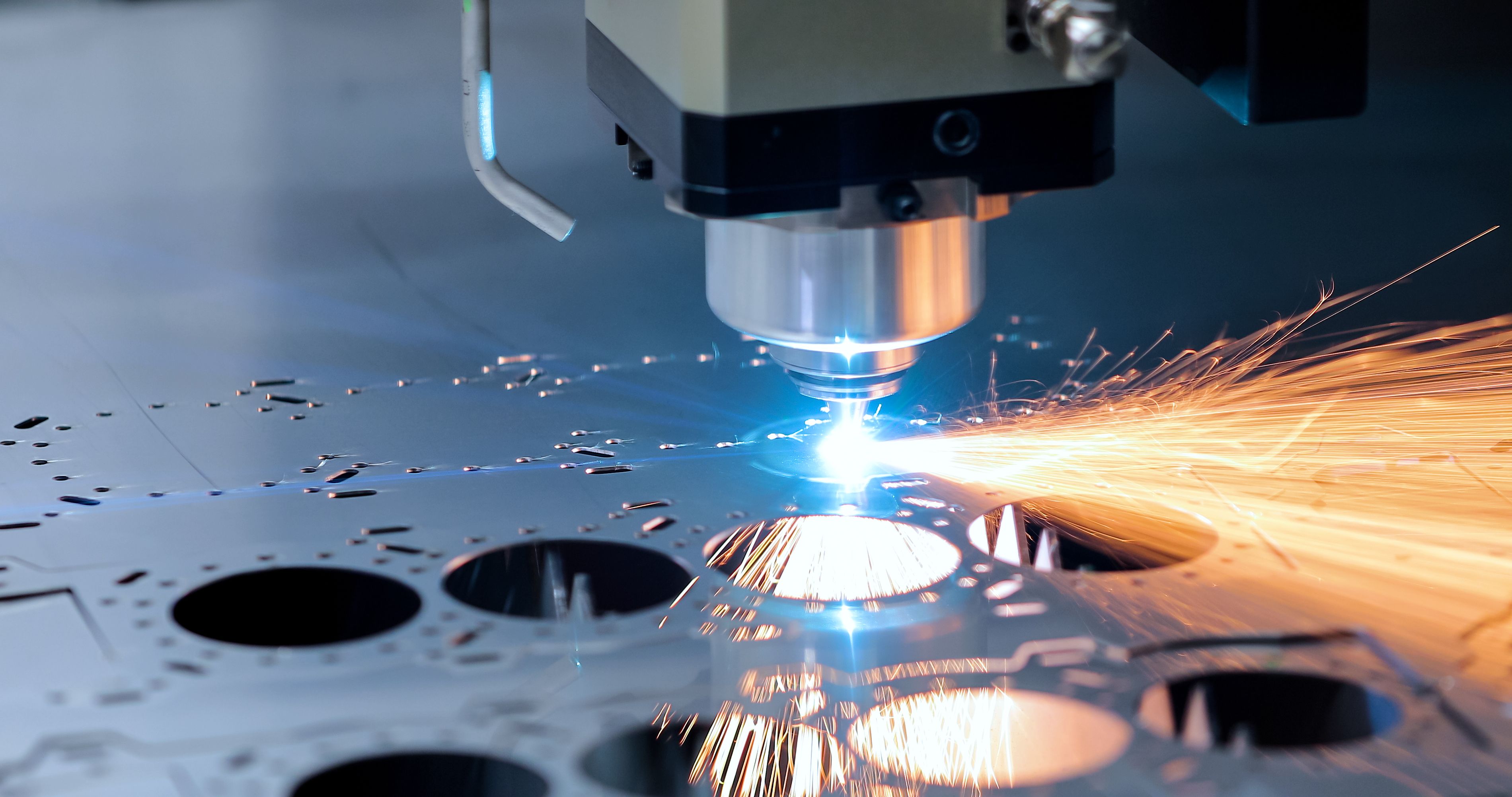
Precision in manufacturing is crucial, especially in tufting parts that require exact specifications. Advanced CNC machines and laser cutting technologies have improved the precision with which these parts are produced, ensuring that they meet stringent quality standards.
Quality control has also seen advancements with the integration of real-time monitoring systems. These systems ensure that any defects or deviations are detected early, allowing for immediate corrective action.
Future Outlook
Looking ahead, the future of machine shops in tufting parts is bright. With continued advancements in technology, machine shops will become more efficient, sustainable, and capable of producing highly complex components.
Investments in research and development will likely lead to new breakthroughs, further enhancing the capabilities of machine shops and opening up new possibilities in design and functionality.
Conclusion
In summary, the future of machine shops in tufting parts is promising, driven by innovations in technology, materials, and sustainability practices. As these advancements continue to unfold, machine shops will play a pivotal role in shaping the manufacturing landscape.