
Case Study: Transforming Local Businesses with Precision Machining


Introduction to Precision Machining
In today's competitive market, local businesses need to adopt innovative solutions to stay ahead. One such transformative solution is precision machining, a technology that allows for the creation of highly accurate and complex parts. This case study explores how precision machining has revolutionized local businesses, enhancing their efficiency and production capabilities.
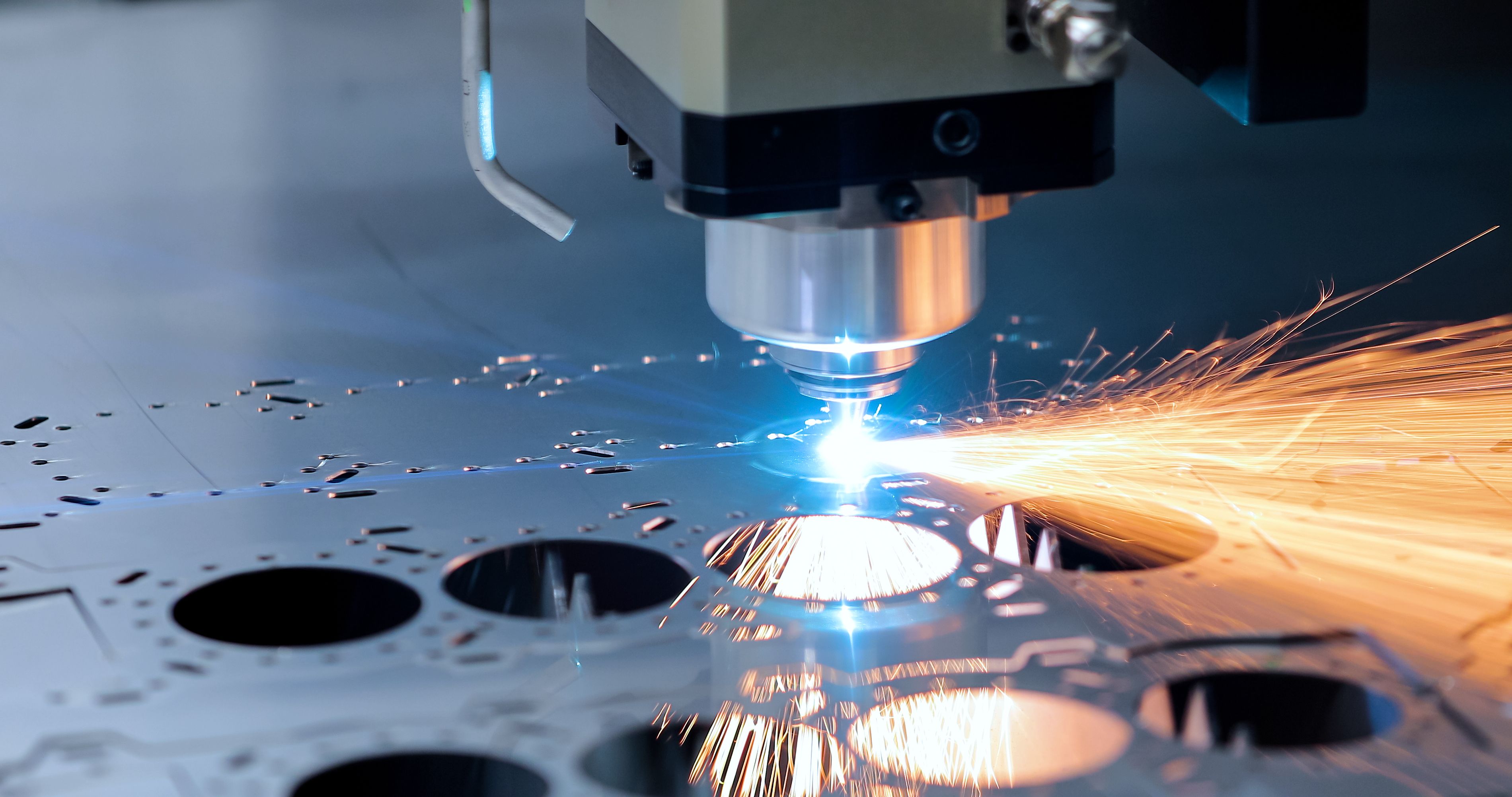
The Power of Precision
Precision machining offers unparalleled accuracy, allowing businesses to produce parts with tight tolerances and intricate designs. This technology is essential for industries such as aerospace, automotive, and healthcare, where precision is crucial. By incorporating precision machining, businesses can ensure high-quality outputs that meet industry standards.
Local businesses have seen significant improvements in their production processes. The ability to create parts with exact specifications reduces waste and enhances product quality. This not only leads to cost savings but also improves customer satisfaction, as products are more reliable and durable.
Streamlining Production Processes
One of the primary advantages of precision machining is its ability to streamline production. By automating complex tasks, businesses can reduce the time and labor required for manufacturing. This efficiency allows them to meet customer demands more quickly and efficiently.

Moreover, precision machining reduces the risk of human error, ensuring that each part produced is consistent and of high quality. This consistency is vital for industries where even the smallest deviation can lead to significant issues.
Real-World Impact
Several local businesses have already experienced the benefits of precision machining. For instance, a small automotive parts manufacturer saw a 30% increase in production speed after implementing precision machining techniques. This not only boosted their output but also allowed them to take on more clients, expanding their market reach.
Similarly, a local medical device company was able to innovate new product lines thanks to the flexibility and precision offered by this technology. This innovation has positioned them as leaders in their field, attracting partnerships and collaborations worldwide.

Challenges and Considerations
While precision machining offers numerous benefits, it's important for businesses to consider the initial investment and training required. The technology can be costly, and employees may need specialized training to operate the machinery effectively. However, the long-term benefits often outweigh these initial hurdles.
Businesses must also stay updated with the latest advancements in precision machining to maintain their competitive edge. This continuous learning and adaptation are crucial for maximizing the technology's potential.
Conclusion
Precision machining is a game-changer for local businesses, providing them with the tools needed to enhance efficiency, quality, and innovation. By embracing this technology, businesses can not only survive but thrive in today's fast-paced market.
As more companies recognize the value of precision machining, its role in transforming local industries will continue to grow. Those who invest in this technology today are likely to reap significant rewards in the future.